
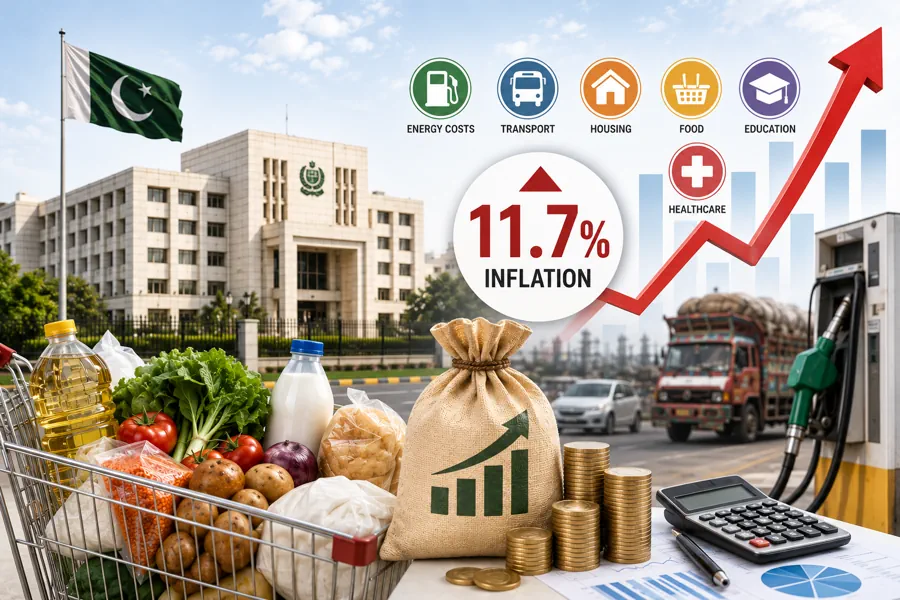
Inflation in Pakistan 2026 has become one of the most discussed topics across the country. Families, students, business owners, and salaried workers are all feeling the impact of rising prices. From daily groceries and electricity bills to transportation costs and mobile prices, almost every sector has seen noticeable increases.
As consumers continue to face higher expenses, many people are asking the same question: Why are prices increasing across Pakistan in 2026? Understanding the causes behind inflation can help individuals make better financial decisions and prepare for future economic changes.
This article explains the key factors driving inflation, how it affects different sectors, and what citizens can do to manage rising living costs.
Understanding Inflation in Pakistan 2026
Inflation refers to the overall increase in the prices of goods and services over time. When inflation rises, the purchasing power of money decreases. This means people need to spend more money to buy the same products they purchased at lower prices in previous years.
The current Inflation in Pakistan 2026 is affecting urban and rural areas alike. Essential items such as flour, cooking oil, sugar, vegetables, fuel, and utility services have become more expensive compared to previous years.
Signs of Rising Inflation
- Increased grocery prices
- Higher electricity and gas bills
- Expensive transportation costs
- Rising education expenses
- Increased healthcare costs
- Growth in mobile phone prices
- Higher business operating expenses
Major Reasons Behind Inflation in Pakistan 2026
Several factors are contributing to the rise in prices across the country.
1. Increase in Fuel Prices
Fuel costs play a major role in determining transportation and delivery expenses. When petrol and diesel prices increase, businesses often pass these additional costs to consumers.
Effects include:
- More expensive public transport
- Higher delivery charges
- Increased production costs
- Expensive agricultural operations
As fuel becomes costlier, almost every product in the supply chain becomes more expensive.
2. Currency Depreciation
The value of the Pakistani Rupee against foreign currencies significantly impacts imports.
Pakistan imports:
- Mobile phones
- Electronic products
- Machinery
- Fuel products
- Industrial equipment
When the rupee weakens, imported goods become more expensive, leading to higher retail prices.
Inflation Pakistan Trends in Food Markets
Food inflation remains one of the biggest concerns for households.
Commonly Affected Food Items
- Wheat flour
- Rice
- Sugar
- Cooking oil
- Milk products
- Meat
- Vegetables
- Fruits
Factors affecting food prices include:
- Transportation costs
- Weather conditions
- Supply shortages
- Import expenses
- Storage and distribution costs
For many families, monthly grocery budgets have increased significantly during 2026.
How Inflation in Pakistan 2026 Affects Mobile Prices
The technology sector is also facing pricing pressure.
Mobile Prices Pakistan Continue to Rise
Many consumers have noticed that smartphones now cost more than they did a year ago.
Reasons include:
- Import taxes
- Currency fluctuations
- Higher shipping costs
- Increased manufacturing expenses
- Global component shortages
Popular smartphone categories experiencing price increases include:
- Budget smartphones
- Mid-range devices
- Premium flagship phones
- Gaming smartphones
As a result, buyers are spending more when upgrading to new devices.
Impact on Household Budgets
The average household now allocates a larger portion of income toward necessities.
Areas Experiencing Higher Costs
Food Expenses
Families are spending more on everyday grocery items.
Utility Bills
Electricity, gas, and water expenses have increased in many regions.
Transportation
Commuting costs continue to rise due to fuel-related expenses.
Education
School fees, books, and transportation costs have also seen upward pressure.
Healthcare
Medical consultations, medicines, and treatments are becoming more expensive.
Business Challenges During Inflation Pakistan 2026
Businesses across Pakistan are facing multiple difficulties.
Rising Operational Costs
Companies are paying more for:
- Raw materials
- Transportation
- Energy consumption
- Employee salaries
- Imported goods
Effects on Small Businesses
Small and medium enterprises are particularly vulnerable because they often operate with limited financial reserves.
Many business owners are forced to:
- Increase product prices
- Reduce operational costs
- Delay expansion plans
- Optimize inventory management
Government Measures to Control Inflation
Authorities continue to introduce policies aimed at reducing inflationary pressure.
Common Economic Measures
- Monitoring essential commodity prices
- Supporting agricultural production
- Managing import and export policies
- Strengthening supply chains
- Encouraging local manufacturing
- Controlling market manipulation
While such measures may help stabilize prices over time, inflation often takes time to decrease significantly.
Inflation Pakistan and Public Purchasing Power
One of the most noticeable effects of inflation is reduced purchasing power.
What Purchasing Power Means
Purchasing power refers to the amount of goods and services people can buy with their income.
When inflation rises faster than wages:
- Savings lose value
- Household budgets become tighter
- Consumer spending decreases
- Financial planning becomes more difficult
This challenge affects workers, students, pensioners, and business owners alike.
Practical Tips to Manage Rising Costs
While inflation cannot be controlled by individuals, there are steps people can take to reduce financial pressure.
Budget Planning
Track monthly expenses and identify unnecessary spending.
Compare Prices
Check prices from multiple stores before making purchases.
Prioritize Essentials
Focus spending on necessities before non-essential items.
Avoid Impulse Buying
Make shopping lists and stick to them.
Build Emergency Savings
Even small savings can help during periods of economic uncertainty.
Monitor Mobile Prices Pakistan
Compare smartphone prices across retailers before buying a new device.
Future Outlook for Inflation in Pakistan 2026
Economic experts believe inflation trends will depend on several factors:
- Global oil prices
- Exchange rate stability
- Agricultural production
- Government economic policies
- International market conditions
If supply chains improve and economic stability increases, inflationary pressure may gradually ease. However, consumers should continue planning carefully and staying informed about economic developments.
Frequently Asked Questions (FAQs)
1. Why is inflation increasing in Pakistan in 2026?
Inflation is increasing due to higher fuel costs, currency depreciation, import expenses, supply chain disruptions, and rising production costs.
2. How does inflation affect mobile prices in Pakistan?
Inflation increases import costs, taxes, transportation expenses, and manufacturing costs, which results in higher smartphone prices.
3. Which sectors are most affected by inflation in Pakistan?
Food, transportation, utilities, healthcare, education, and technology sectors are among the most affected.
4. Can inflation reduce in the coming months?
Inflation may decrease if fuel prices stabilize, supply chains improve, and economic policies successfully control price growth.
5. How can families manage inflation effectively?
Families can create budgets, prioritize essential spending, compare prices, avoid unnecessary purchases, and maintain emergency savings.
https://www.sbp.org.pk
https://www.pbs.gov.pk
https://www.finance.gov.pk